




Therapeutic coaching for empathy and real connection
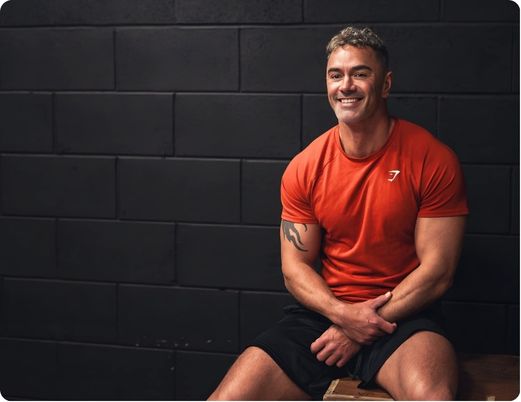
Deep, authentic connection is a skill most men were never taught. Paul Wiltshire’s role at Path Community is Therapeutic Coach: helping men lead with empathy, transform conversations, strengthen relationships, and build trust that lasts.
Practical, direct, UK men’s development. Relational and embodied in tone — without hype or invented credentials.
What “therapeutic coach” means here
On Path, Therapeutic Coach is a specialist lane focused on emotional connection, empathy, and relational presence. Paul’s public work points toward emotional literacy, clearer boundaries, and repair when things go wrong — the everyday capacities that turn good intentions into relationships that actually feel safe and alive.
The Thoroughly Human method framing on his public presence sits in the same direction: becoming more honest, more emotionally available, and more skilful in how you meet other people — starting with how you meet yourself.
Paul’s own journey through trauma and addiction is part of the live page story. It is referenced here only as already public context for why this work is grounded and human — not as a clinical case study, and not as a promise that coaching is treatment.
Who this lane tends to suit
Men who benefit from this work often recognise themselves here:
- Wanting deeper connection but defaulting to distance, humour, or over-functioning
- Struggling to name feelings until they come out as irritation or withdrawal
- Knowing they care, yet finding empathy hard to access in the moment
- Repeating relational ruptures without a clear repair practice
- Ready for honesty about boundaries — both holding them and respecting others’
Path is a men’s personal development community. This lane supports how you relate; it is not a substitute for clinical care where that is needed.
How the work tends to unfold
Emotional literacy in plain language
You cannot lead with empathy if you cannot find your own emotional map. Literacy here means naming what is happening in you early enough to choose a response — before shutdown, blame, or people-pleasing takes over.
Boundaries that protect connection
Boundaries are not walls. They are the conditions that make trust possible: what you will say, what you will no longer carry, and how you stay respectful when you disagree. Paul’s framing treats boundaries as relational skill, not selfishness.
Repair after friction
Every close relationship includes rupture. The difference is whether repair is practised. Learning to come back — clearly, without theatre — is often where men feel the biggest shift in confidence and trust at home and at work.
How Paul fits inside Path Community
Specialist coaches appear in training modules, live workshops, and the community portal. Paul’s empathy-focused workshops sit in that wider stack — mindset, relationships, body, and circle accountability often support the same man trying to stay present when conversations get hard.
If you want the programme overview, start with pathways. If you want regular peer practice of honesty and empathy, the men’s circle is a natural companion. For how membership is structured, see pricing.
Common questions
Is therapeutic coaching the same as therapy?
No. The live title is Therapeutic Coach inside Path’s coaching and community model. It is developmental and relational — empathy, emotional literacy, boundaries, and repair — not a claim of regulated clinical status. If you need therapy or addiction treatment, work with a qualified professional. Path can complement recovery and growth; it does not replace clinical care.
Do I need to be “good with feelings” already?
No. Many men begin precisely because emotional language feels unfamiliar. Willingness to practise — not prior fluency — is the useful starting point.
Next step
If Paul’s therapeutic coaching lane resonates:
- Pathways — how this discipline sits in the wider programme
- Path Men’s Circle — peer space for honest, present conversation
- Our pricing — formats and how to join
- Meet the coaches — the full specialist team
Lead with empathy. Strengthen connection. Build trust you can feel in real conversations.